Updated 3.19.20: We now use Basecamp 3, which integrates chat, and therefore don’t use Slack – but it’s still a great tool.
This document was originally one of our internal company memos. We decided that building a great remote team was so important to us – that it’s our pleasure to now open it up and spread the wealth.
The allure of working from home, globe trotting or otherwise being able to work “when and where you want” is easier said than done. I say this as a 7 year veteran of remote work, and having played all sides of it – freelancer, solopreneuer, partner, consultant, team lead, etc.
Great remote team management takes not only practice, but structure.
If you’re like many small but growing teams, you’re rolling contractors in and out of the fold on an as-needed basis. Each bring in their own remote team experience, prefered software stack and habits – that may or may not mesh with your company vision.
As we grew, through success and mistakes, we found it essential to document the modus operandi of what would make our remote team, well…great.
This is our technology stack:
Project Management: Basecamp
Quick Communication: Slack
Emails: GSuite
Webinars: Demio
Landing Pages: WordPress
Marketing Emails: MailChimp
There’s a handful of other peripheral apps and integrations, but overall this is the core stack.
But most importantly – THE PILLARS!
Pillars of a Great Remote Team:
Just as the pillars of a building all share a similar weight, these pillars feed into one another and make the whole thing work – as long as they stand together.
1. Ownership.
Recommended resource: Extreme Ownership
My favorite story from this book, is about a SEAL candidate at BUDS training who is frustrated because his team is coming in last in a boat race. He starts blaming his team and their inadequacies. The instructors oblige him and give him the best team, only to watch him come in last again; moral of the story: THE LEADER IS ULTIMATELY RESPONSIBLE FOR THE TEAM’S PERFORMANCE.
For our team:
Focus on completing the overall goal of a project, not just your individual task. If you send a proof, automatically set a Basecamp to-do, or use in Slack the /remind function so that whomever you need feedback from is kept on track.
Stay on top of your projects, and tasks until they are completed and do whatever it takes to get the inputs you need, to FINISH.
Tips for success:
Use Slack to remember things.

Embrace the Journal.
I can’t say enough good things about the Best Self Journal. Having this “old school” way of taking notes, documenting my day and setting goals has driven excellent habits into my workflow. It helps me remember things, plan smarter days, and take more consistent actions on my goals. My rate of forgetting details has PLUMMETED thanks to this, and having a better overall system in place.

I’m on my 3rd one, and show no signs of stopping.
2. Followup.
Recommended resource: The 4 Agreements
One of my favorite jobs of all time was working as a landscape laborer while I was in college. My boss worked like an absolutely BEAST his entire life – and wasn’t ashamed of it. He used to tell me “All it takes to win in business is a little bit of gumption. Do what you say you’re gonna do and FOLLOWUP – because everyone else screws that up, so you win by default.”
For our team:
We call get busy, and we miss emails, Slacks, etc. Use the tools we have in place, and have the discipline to get what you need from the team so that projects don’t sit around for weeks on end.
Tips for success:
Slack To-Do’s

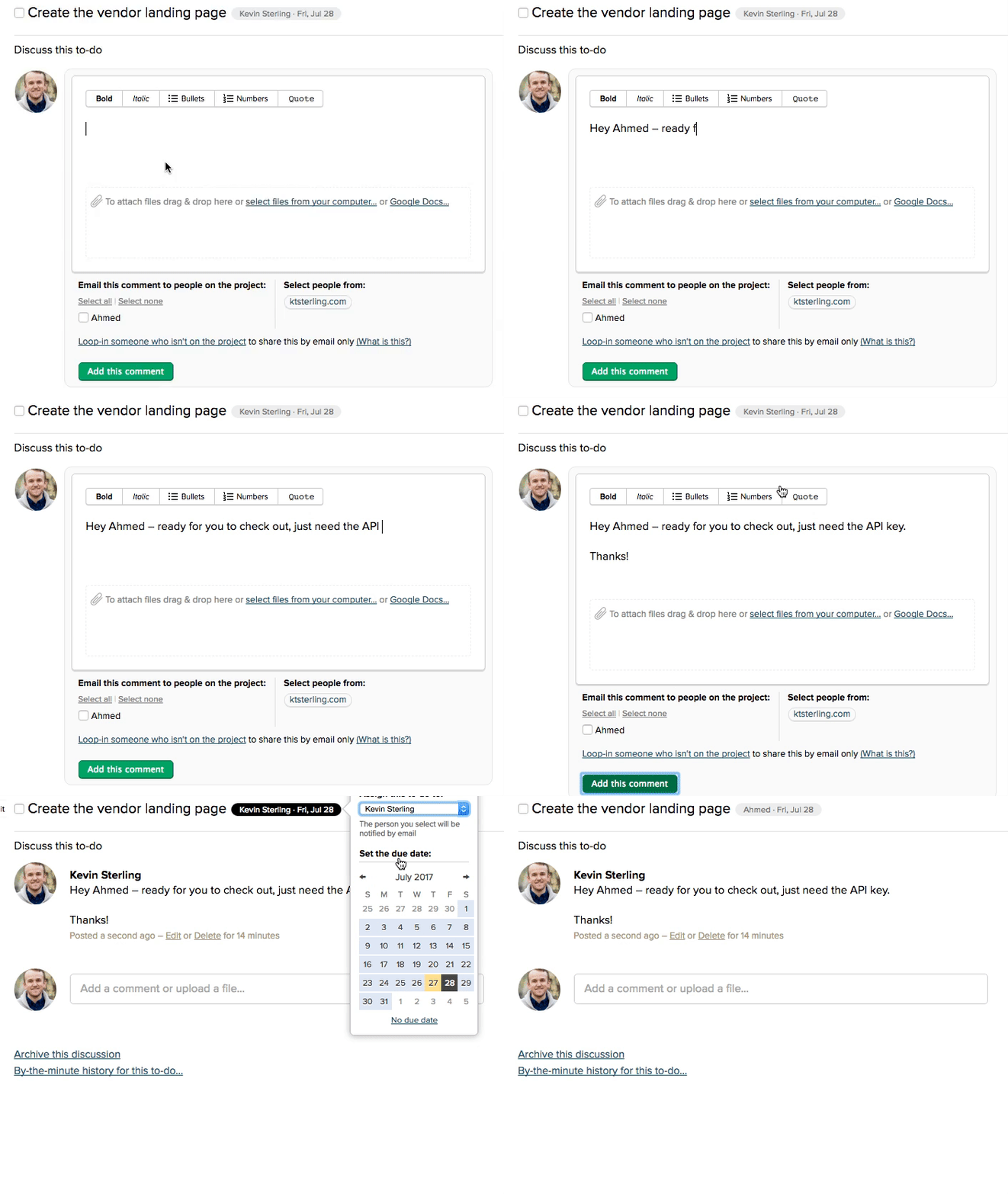
Let Basecamp do it for you. If you need feedback on a To-Do item, assign it to the person you need feedback from. It will then show up on their to-do list and Basecamp will continue to remind them about it.
3. Clarity.
Recommended resource: The 4 Hour Workweek
This book was the gateway drug that lead me down so many digital adventures. Ferriss states very aptly that if you’re new to outsourcing, remote work, etc. you can assume that any miscommunications that occur when assigning work are YOUR FAULT. Clarity takes practice, but man-o-man is it worth it in the end.
For our team:
High-fidelity, highly-visual communication is what’s best. Our team is all over the world, speaking a lot of native languages.
If you are writing and referencing something, do the diligence and include a visual, mockup, URL, or whatever it is that you’re talking about and use specific language.
Use a tool like Droplr, or other screenshot / notation so that questions and directions are clear. If you’re providing proof that you did something – automatically include the screenshot so that the PM, or whomever doesn’t have to dig too far to check.
Tips for success:
Droplr is AMAZING.
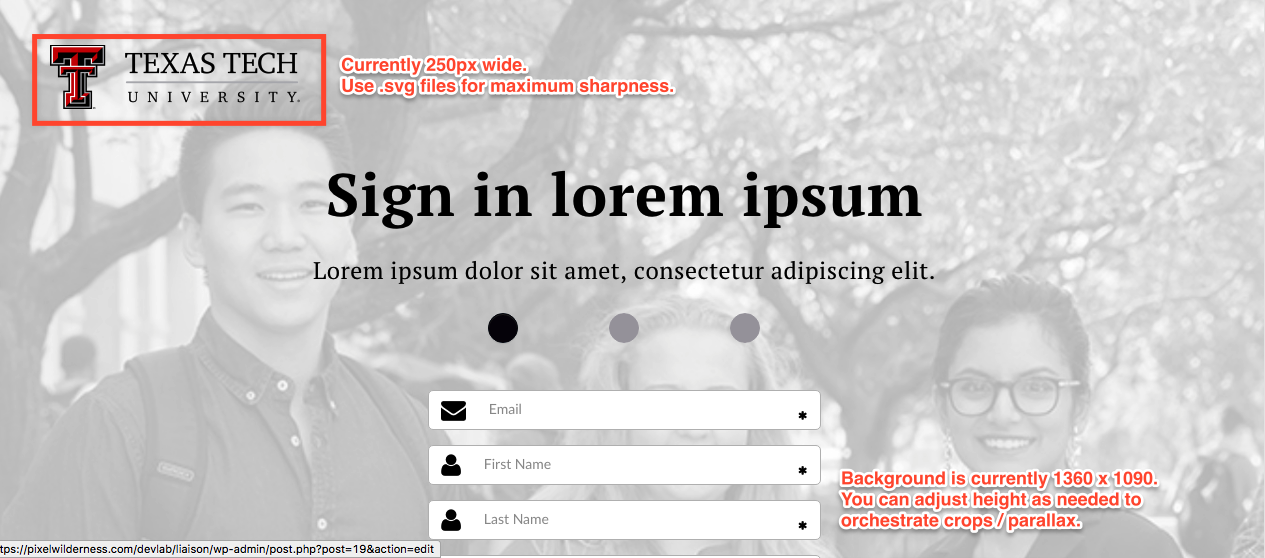
Droplr will give your work an incredible level of clarity and detail.
Pronouns are the enemy.
Replace “it, the, he, she, this, that” with “Kevin, Ahmed, exact file name, exact url, screenshot, etc.”
4. Anticipation.
Recommended resource: Jay Abraham – The Strategy of Preeminence
I found Jay’s strategy via Ramit Sethi, the idea behind it (as I understand it) being that you should understand your clients so deeply, that you know what their next move is before they do. Tony Robbins has also said “anticipation is power.”
For our team:
Over time, we should learn and know what our teammates need and will ask for, as well as what our clients ask for, consistently. It takes only a tiny bit of diligence to yield wonders of enjoyment from a satisfied client.
Think about how you can answer or finish something “completely.” If it’s code, make sure you check mobile compatibility before you ask for review. If it’s providing a quote or an estimate, think through what the client could ask – and take your decision as far as you can, anticipating what the next step is.
5. Respect.
Recommended resource: Two great influences on my life and business, Chad Renfroe & Chris Johnson
Years ago, Chad taught me that so much of human interaction boils down to two rules – Be Respectful. Be Responsible. If those powerful principles are abided by, then there’s nary a care in the world. Chris taught me the to vocalize the concept of Client Reverence. We don’t speak ill, complain about, or otherwise say anything even remotely negative about them. He specifically told me once “if you can’t bring yourself to hold reverence for a client – you’re obligated to leave their service.”
For our team:
We respect our team, and we respect our clients. Respect is probably the glue that ties all of these pillars together. We respect one another by exhibiting the 4 other pillars.
Keep your word about what you will do, and when you will do it. Don’t let anything stop you from doing that – and encourage each other to be better.
Do your best. Respect your own talents and abilities, and respect the intelligence of the client.
What’s your secret sauce?
Entire books have been written about remote team success. Books are wonderful of course, but hard to point to consistently with a distributed team.
This simple framework helps to keep our leaders on track, onboard new members, and remind our team that we’re all towing the same line.
If we left something out – hey, by all means put it in the comments and show us your stuff!


